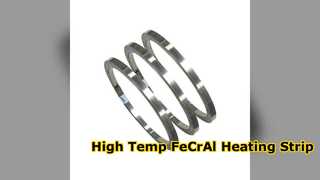
Kawat Resistansi Rendah Rolling Annealing FeCrAl 0Cr23Al5

FeCrAl alloy products
November 19, 2020
Kategori Hubungan: Paduan FeCrAl
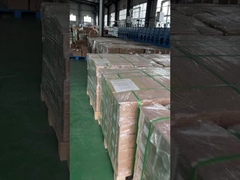
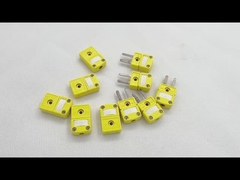
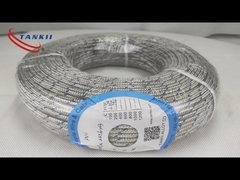
Singkat: Butuh jawaban cepat tentang penggunaan praktis? Video ini menyoroti hal-hal penting. Temukan perjalanan manufaktur Kawat Resistansi Rendah 0Cr23Al5 FeCrAl, mulai dari peleburan vakum hingga penempaan, penggilingan, anil, dan penarikan. Lihat bagaimana kawat suhu tinggi ini diuji kualitasnya dan pelajari tentang aplikasinya di tungku industri dan peralatan rumah tangga.
Fitur Produk Terkait:
  • Composed of FeCrAl alloy with high resistivity and low temperature coefficient for stable performance.
  • Operates at maximum continuous service temperatures up to 1300°C.
  • Excellent oxidation and corrosion resistance ensures long element life in high-heat environments.
  • Available in various forms including wire, bar, strip, sheet, forging, and tube.
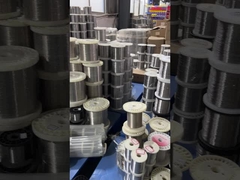
  • Manufactured via vacuum melting, forging, rolling, annealing, and drawing with strict quality control.
  • Features a density of 7.25 g/cm³ and a resistivity of 1.35 ±0.06 ohm mm²/m at 20°C.
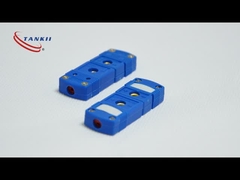
  • Suitable for heating and resistance elements in industrial, automotive, and military applications.
  • Ferrite magnetic structure with a minimum elongation of 12% for good form stability.
Pertanyaan:
  • What are the key applications for 0Cr23Al5 FeCrAl Low Resistance Wire?
    This wire is widely used in industrial furnaces, household appliances, metallurgy, machinery, aircraft, automotive, and military industries for producing heating elements and resistance elements due to its high-temperature stability and oxidation resistance.
  • How does the manufacturing process ensure quality?
    The wire is produced through vacuum melting, followed by forging, rolling, annealing, and drawing. Each batch undergoes rigorous quality tests for diameter tolerance, chemical content, hardness, and other properties to meet high standards.
  • What advantages does FeCrAl alloy offer over NiCr alloys?
    FeCrAl alloy provides higher resistivity, higher serviceability temperatures, and a lower price compared to NiCr alloys, making it a cost-effective and efficient choice for high-temperature electrical heating applications.